
Author: Site Editor Publish Time: 2026-05-09 Origin: Site


Have you ever wondered how nuclear power plants ensure safety? One crucial component is the Nuclear-Grade Valve Electric Actuator. These specialized devices control valve operations, playing a vital role in maintaining safety and efficiency.
In this article, we’ll explore what nuclear-grade valve electric actuators are and why they are essential in nuclear power operations. You’ll learn about their strict compliance standards and the unique features that make them reliable in extreme environments. Join us as we delve into the world of these critical safety devices.
Nuclear-Grade Valve Electric Actuators play a vital role in the safety systems of nuclear power plants. They are engineered to handle critical safety-related functions, ensuring that valves open and close as needed during normal operations and emergencies. These actuators must meet stringent nuclear safety standards, including Class 1E requirements, which focus on reliability and performance under extreme conditions.
Critical Functions: They are responsible for controlling the flow of fluids, which is essential for maintaining system integrity.
Compliance: Meeting Class 1E standards means these actuators can operate reliably in the harshest environments, including during seismic events.
These actuators are designed to perform effectively in extreme conditions. They must withstand high radiation levels, seismic activity, and potential loss-of-coolant accidents (LOCA).
Radiation Resistance: Materials used in their construction are selected for their durability against radiation, ensuring long-term functionality.
Seismic Performance: Many actuators are tested to endure significant seismic loads, maintaining their operational integrity during earthquakes.
Condition | Performance Features |
Radiation Exposure | High radiation resistance materials |
Seismic Activity | Designed for high seismic loads |
LOCA | Reliable operation during emergencies |
Nuclear-grade actuators are categorized based on their installation location and the level of safety-related duties they perform. Understanding these classifications helps in selecting the right actuator for specific applications.
Actuators designed for use inside containment structures handle the most severe conditions. For instance, the Bernard Controls SN range is qualified for 40 years of service in ionizing environments. These devices ensure that operations remain secure even under extreme stress.
Longevity: Designed for extended operational life, they can withstand the rigors of a nuclear environment.
Safety Assurance: Their construction ensures they continue to function when it matters most.
K3 type actuators are typically installed outside the reactor's hermetic zone. While they are not exposed to the same extreme conditions as those inside containment, they still require robust design features to handle seismic events and other operational stresses.
Versatile Applications: These actuators are widely used in various systems, ensuring reliable performance in less critical but still important applications.
Seismic Compliance: They are built to meet safety standards, ensuring they can handle unexpected events.
In summary, Nuclear-Grade Valve Electric Actuators are crucial for maintaining safety in nuclear power plants. Their design and functionality are tailored to meet the demanding requirements of the nuclear industry, ensuring reliable operation in extreme conditions. Whether inside or outside containment, these actuators are engineered to perform when it counts.
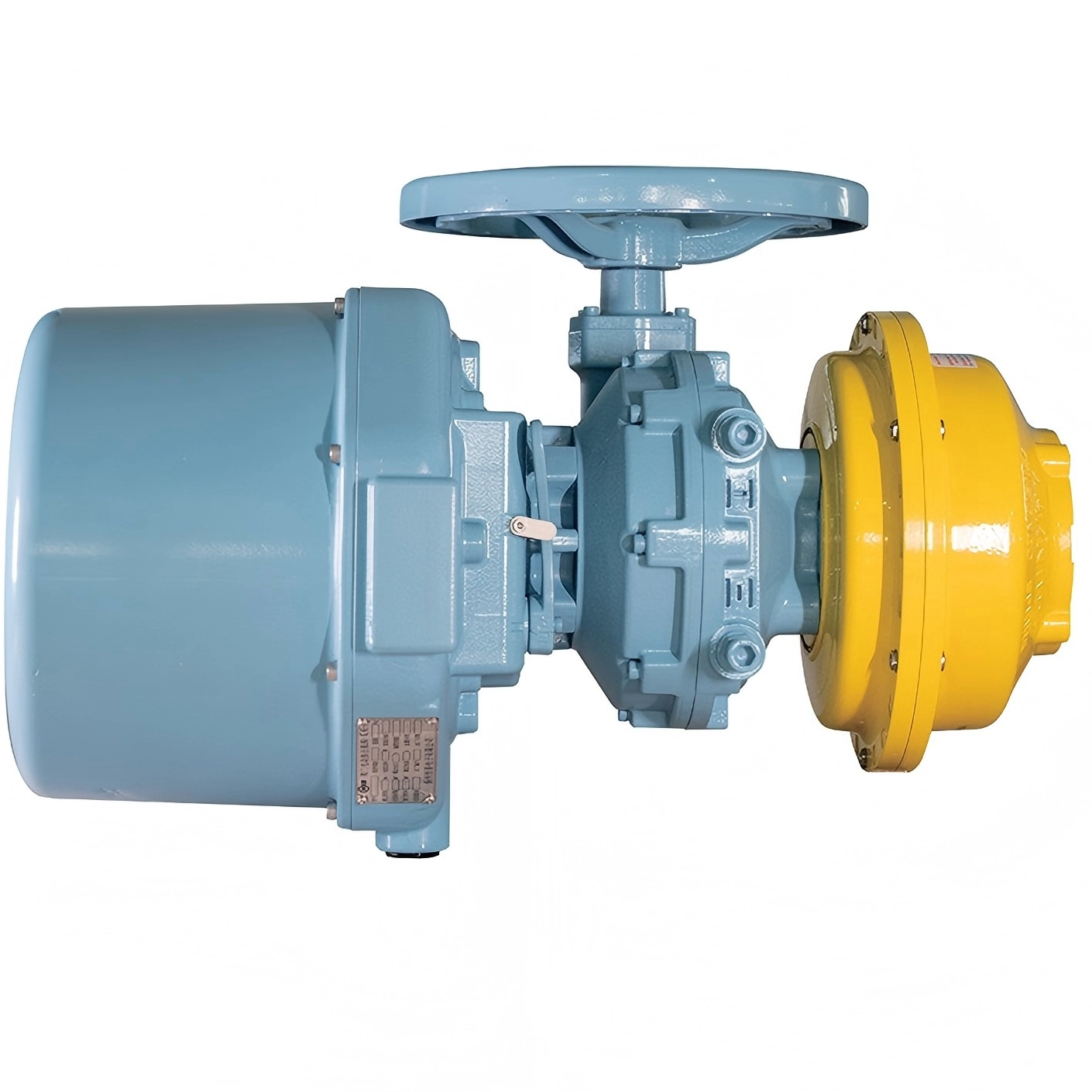
One of the standout features of a Nuclear-Grade Valve Electric Actuator is its radiation resistance. These actuators are built to operate in environments with high radiation levels, which is essential for nuclear power applications.
Materials: The seals, lubricants, and electronic components are specially selected to withstand high cumulative doses of radiation.
Longevity: They maintain functionality without degrading, ensuring reliable performance over time.
Testing Standards: Many actuators undergo rigorous testing to confirm their radiation resistance, providing peace of mind for operators.
When it comes to construction, durability is key. Nuclear-grade actuators are designed using heavy-duty materials that can endure the harsh conditions found in nuclear facilities.
Heavy-Duty Cast Iron: This material is commonly used for the actuator housing, offering excellent strength and resistance to wear.
Service Life: The robust construction contributes to a long service life, often exceeding 30 to 40 years, reducing the need for frequent replacements.
Impact Resistance: These actuators are designed to withstand impacts and stresses, ensuring they remain operational in challenging situations.
Material | Benefits |
Heavy-Duty Cast Iron | Excellent strength and wear resistance |
High-Performance Seals | Maintain integrity under radiation |
Advanced Lubricants | Enhance longevity and reduce friction |
Precision is critical in valve operation. The design of Nuclear-Grade Valve Electric Actuators includes high-precision mechanical torque and stroke controllers.
Torque Control: These mechanisms ensure that valves seat correctly every time, preventing leaks in critical systems.
Stroke Control: Accurate stroke control allows for precise positioning of the valve, which is vital for maintaining system integrity.
Feedback Loops: Many actuators integrate feedback systems to monitor performance, adjusting as necessary to maintain optimal operation.
To enhance reliability, nuclear-grade actuators incorporate intelligent monitoring systems. These systems are designed for predictive maintenance, allowing operators to service the equipment before failures occur.
Predictive Maintenance: By analyzing performance data, these systems can identify potential issues early, minimizing downtime.
Redundant Systems: Many actuators feature redundant components that ensure continued operation even if one part fails.
Real-Time Monitoring: Continuous monitoring provides valuable insights into actuator performance, enabling proactive management.
The combination of these technical design features ensures that Nuclear-Grade Valve Electric Actuators remain reliable and effective in the demanding environments of nuclear power plants. Their advanced materials and construction techniques, along with sophisticated monitoring systems, make them indispensable for maintaining safety and operational efficiency.
When it comes to Nuclear-Grade Valve Electric Actuators, compliance with industry standards is non-negotiable. These standards ensure that actuators not only perform well but also uphold safety in nuclear environments. Here are some of the key standards governing these devices:
IEEE 382: This standard outlines the qualification of safety-related actuators used in nuclear power plants. It sets the bar for performance under extreme conditions, ensuring that actuators can operate reliably in the face of seismic activity and radiation exposure.
ASME N-Stamp: This certification is crucial for nuclear components, including actuators. It verifies that the equipment meets stringent safety and quality requirements, which is essential for maintaining operational integrity in nuclear facilities.
RCC-E: This French standard focuses on electrical equipment used in nuclear islands, ensuring that all electrical components, including actuators, are designed to withstand harsh environmental conditions.
Standard | Description | Importance |
IEEE 382 | Qualification for safety-related actuators | Ensures reliability under extreme conditions |
ASME N-Stamp | Certification for nuclear components | Verifies safety and quality |
RCC-E | Standards for electrical equipment in nuclear islands | Guarantees durability and performance |
Certification is more than just a badge; it’s a commitment to safety and reliability. For Nuclear-Grade Valve Electric Actuators, certification plays a critical role in ensuring that these devices perform as expected in high-stakes environments.
Reliability: Certified actuators have undergone rigorous testing, confirming they can handle the unique challenges of nuclear applications. This reliability is essential for maintaining the safety of nuclear operations.
Safety Assurance: Certification ensures compliance with safety regulations, protecting both personnel and the environment. It mitigates risks associated with actuator failures, which could lead to catastrophic consequences.
Industry Trust: Certifications foster trust among operators and regulators. When a Nuclear-Grade Valve Electric Actuator is certified, it instills confidence that the equipment meets the highest standards of quality and performance.
In summary, compliance with industry standards and obtaining certifications are essential for Nuclear-Grade Valve Electric Actuators. They ensure that these devices are safe, reliable, and capable of performing under the demanding conditions found in nuclear power plants. This commitment to quality helps protect not only the facilities but also the communities surrounding them.

Nuclear-Grade Valve Electric Actuators are essential in several industries, primarily due to their reliability and safety features. Here’s a look at the key sectors where these actuators play a critical role:
Nuclear Power: The most significant application, where safety and precision are paramount. These actuators control valves in reactors and cooling systems.
Petrochemical: Used in refining processes, they help manage the flow of hazardous materials, ensuring safety and efficiency.
Offshore Oil & Gas Platforms: In these challenging environments, actuators control valves that regulate drilling and production operations, vital for maintaining safety and operational integrity.
Industry | Application Area | Importance |
Nuclear Power | Reactor control, cooling systems | Ensures safety and operational reliability |
Petrochemical | Flow control in refining processes | Manages hazardous materials safely |
Offshore Oil & Gas | Valves for drilling and production operations | Critical for safety in extreme conditions |
In nuclear power plants, the role of Nuclear-Grade Valve Electric Actuators extends beyond just opening and closing valves. They are integral to managing critical systems effectively.
Reactor Cooling Systems: Actuators control valves that regulate coolant flow, preventing overheating. This is crucial for maintaining safe operating temperatures.
Containment Systems: They help manage pressure and fluid dynamics within containment structures. This function is vital during normal operations and emergencies.
Safety Injection Systems: In the event of a potential accident, these actuators ensure that safety injection systems activate promptly, injecting coolant to stabilize reactor conditions.
Control Rod Mechanisms: Actuators are used to position control rods within the reactor, allowing for precise adjustments to the nuclear reaction rate.
Use Case | Functionality | Impact |
Reactor Cooling Systems | Regulate coolant flow | Prevents overheating, ensuring safety |
Containment Systems | Manage pressure and fluid dynamics | Maintains structural integrity during events |
Safety Injection Systems | Activate coolant injection in emergencies | Stabilizes reactor conditions |
Control Rod Mechanisms | Position control rods for reaction adjustments | Ensures precise control of nuclear reactions |
These applications highlight the importance of Nuclear-Grade Valve Electric Actuators in maintaining safety and efficiency across various industries. Their robust design and adherence to stringent standards make them indispensable in environments where failure is not an option.
Nuclear-Grade Valve Electric Actuators are crucial for safety in nuclear power plants. They ensure reliable operation of critical systems, preventing accidents. These actuators meet stringent standards, making them essential for maintaining safety and efficiency. Their robust design allows them to perform in extreme conditions, safeguarding both personnel and the environment. Overall, their role in nuclear operations cannot be overstated.
A: A nuclear-grade valve actuator is designed to meet strict safety and reliability standards for use in nuclear power plants, ensuring performance under extreme conditions.
A: Nuclear-grade actuators are built to withstand high radiation, seismic activity, and harsh environments, unlike standard industrial actuators.
A: Regular inspections and predictive maintenance are essential to ensure their reliability and functionality in critical systems.
A: Yes, they are also applicable in petrochemical and offshore oil and gas industries, where safety is crucial.


