
Author: Site Editor Publish Time: 2026-05-08 Origin: Site


Have you ever wondered how ships control their fluid systems? Marine electric valve actuators play a crucial role in this process. These devices ensure precise control of valves, enhancing safety and efficiency in maritime applications.
In this article, we’ll explore what a marine electric valve actuator is and how it functions. You’ll learn about its key components, benefits, and various applications in the marine industry. Join us as we dive into the world of marine technology!
A marine electric valve actuator is a specialized device designed for controlling valves on ships and offshore platforms. It converts electrical energy into mechanical motion, allowing for precise regulation of fluid flow. Unlike traditional valve actuators, which often rely on manual operation or pneumatic systems, marine electric actuators offer automation and remote control capabilities.
Comparison with Traditional Valve Actuators:
Manual vs. Automated Control: Traditional actuators require human intervention, while electric actuators operate automatically.
Response Time: Electric actuators respond faster to control signals, improving operational efficiency.
Maintenance: Electric systems typically require less maintenance than pneumatic systems, which can be prone to leaks.
Understanding the operational process of marine electric valve actuators is crucial for appreciating their role in maritime applications. Here’s a breakdown of how they function:
1. Signal Reception
The actuator receives commands from a control system, which can be centralized or local. This signal can be digital (on/off) or analog (variable control).
2. Motor Activation
Once the actuator gets the signal, an internal motor is activated. Depending on the design, this can be an AC or DC motor that spins rapidly, generating the necessary force to move the valve.
3. Torque Conversion
The motor's rotational motion is converted into linear or rotary motion through a gearbox. This gearbox adjusts speed and increases torque, enabling the actuator to handle high-pressure fluids effectively.
4. Valve Operation
The mechanical force produced moves the valve disc or plug to the desired position. This action opens or closes the valve, controlling the flow of fluids like water, fuel, or gas.
5. Feedback Mechanism
Sensors provide real-time feedback to the control system about the valve's position. This ensures accurate monitoring and helps maintain optimal performance.
Here's a simplified view of the operational flow of a marine electric valve actuator:
Step | Description |
Signal Reception | Actuator receives command from control system |
Motor Activation | Internal motor spins to generate force |
Torque Conversion | Gearbox adjusts speed and increases torque |
Valve Operation | Mechanical force opens or closes the valve |
Feedback Mechanism | Sensors report valve position back to control system |
Efficiency: Electric actuators streamline operations, reducing the need for manual labor.
Safety: Remote control capabilities enhance safety, especially in hazardous environments.
Durability: Designed to withstand harsh marine conditions, these actuators are often corrosion-resistant.
Brands like Hengchun Actuator provide reliable marine electric valve actuators tailored for various maritime applications. Their products are engineered to meet rigorous industry standards, ensuring both performance and safety.
Understanding marine electric valve actuators is essential for anyone involved in maritime operations. Their ability to automate valve control significantly impacts efficiency and safety in fluid management systems.
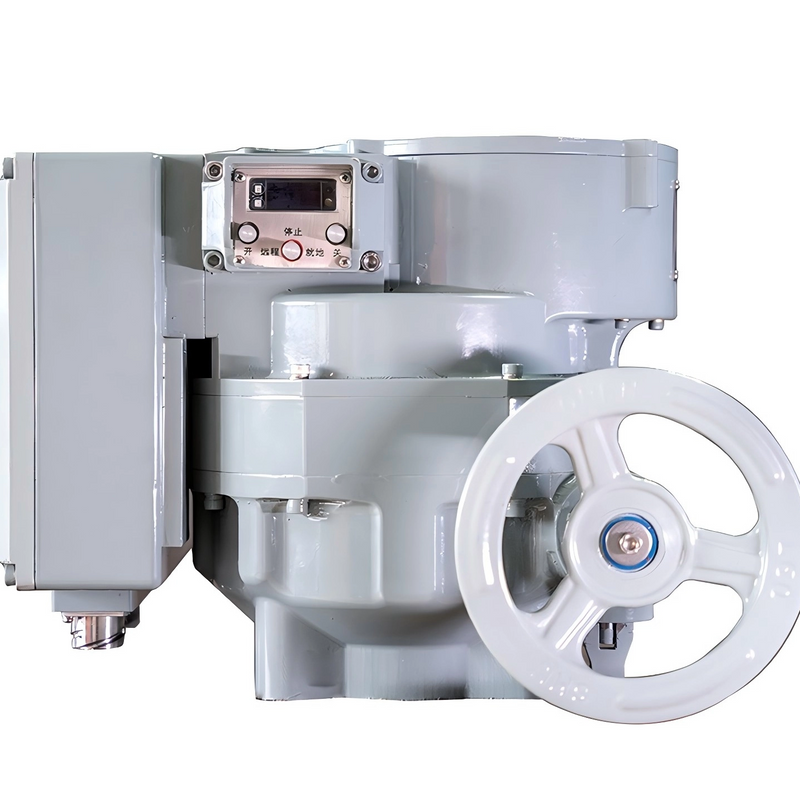
The electric motor is the heart of a marine electric valve actuator. It converts electrical energy into mechanical motion, driving the actuator's operation. Two main types of motors are commonly used:
AC Motors: These are often preferred for their reliability and efficiency in continuous operation.
DC Motors: While typically used for applications requiring variable speed, they provide precise control and quick response times.
Importance of Power Ratings:
Selecting the right power rating is crucial. It ensures the motor can handle the operational demands without overheating or failing. Motors are usually rated in volts, and understanding the required voltage helps in choosing the right actuator for specific applications.
The gearbox plays a vital role in enhancing torque. It connects the motor to the valve, translating the motor's speed into the necessary force to operate the valve effectively.
Types of Gear Systems Commonly Used:
Planetary Gear Systems: Compact and efficient, ideal for high-torque applications.
Spur Gear Systems: Simple and cost-effective, suitable for lower torque needs.
The choice of gearbox affects the actuator's performance, especially in high-pressure environments.
The control unit is essential for interpreting signals and managing the actuator's response. It acts as the brain of the system.
Function of the Control Unit: It processes commands from a centralized control system and directs the motor accordingly.
Integration with Centralized Control Systems: Many marine applications use centralized control systems for efficiency. The control unit ensures seamless communication between the actuator and the control system, enabling real-time monitoring and adjustments.
Given the harsh marine environment, the housing material of marine electric valve actuators is crucial for longevity and reliability.
Importance of Housing Materials: They protect internal components from saltwater, moisture, and debris, which can lead to corrosion and failure.
Common Ratings (e.g., IP67): An IP67 rating indicates that the actuator is dust-tight and can withstand immersion in water up to 1 meter for 30 minutes. This level of protection is vital for ensuring the actuator's durability.
While automation is a key benefit of marine electric valve actuators, having a manual override feature is essential.
Purpose of Manual Override Features: It allows operators to manually control the valve in case of a power failure or system malfunction.
Scenarios Where Manual Operation is Critical: In emergency situations or during maintenance, manual control ensures that operators can maintain fluid flow and system integrity.
Component | Function |
Electric Motor | Converts electrical energy to mechanical motion |
Gearbox | Enhances torque for valve operation |
Control Unit | Interprets signals and manages actuator response |
Corrosion-Resistant Housing | Protects against harsh marine conditions |
Manual Override | Allows for manual control in emergencies or malfunctions |
Understanding these key components helps in selecting the right marine electric valve actuator for specific applications. Brands like Hengchun Actuator offer reliable solutions designed to meet the rigorous demands of marine environments, ensuring both performance and safety.
Marine environments can be harsh, so marine electric valve actuators are designed to withstand various challenges. Their durability is essential for ensuring reliable operation in demanding conditions.
Salt Spray Resistance:
Saltwater can corrode unprotected components. Marine electric valve actuators are often coated or constructed from materials resistant to salt spray. This feature helps prolong their lifespan and maintain functionality even in coastal areas.
Moisture Resistance:
The ability to resist moisture is critical. These actuators typically have seals and gaskets that prevent water ingress. An IP67 rating indicates that they can withstand immersion in water, ensuring reliable operation in wet conditions.
Vibration and Shock Resistance:
Ships experience vibrations from engines and the sea. Marine electric valve actuators are designed to endure these vibrations without losing performance. They also incorporate shock resistance to protect against sudden impacts, ensuring they operate smoothly during navigation and berthing.
Stability and reliability are paramount for any actuator used in marine applications. These features ensure that the systems operate as intended, which is crucial for safety and efficiency.
Performance During Navigation and Berthing:
Marine electric valve actuators maintain precise control over fluid flow even when a vessel is in motion. This stability is vital when maneuvering in tight spaces or during docking, as it prevents potential accidents and equipment failures.
Meeting Classification Society Standards:
Many marine electric valve actuators comply with standards set by classification societies. These organizations establish safety and performance criteria for maritime equipment. Compliance ensures that the actuators are built to withstand the rigors of marine environments and perform reliably.
Feature | Description |
Salt Spray Resistance | Protects against corrosion from saltwater |
Moisture Resistance | Prevents water ingress, ensuring reliable operation |
Vibration Resistance | Designed to withstand vibrations from engines and waves |
Shock Resistance | Protects against sudden impacts during navigation |
Stability in Operation | Maintains control during vessel movement |
Compliance with Standards | Meets safety and performance criteria from classification societies |
The performance features of marine electric valve actuators make them indispensable in the maritime industry. Brands like Hengchun Actuator ensure their products meet these rigorous standards, providing dependable solutions for fluid control in various marine applications.
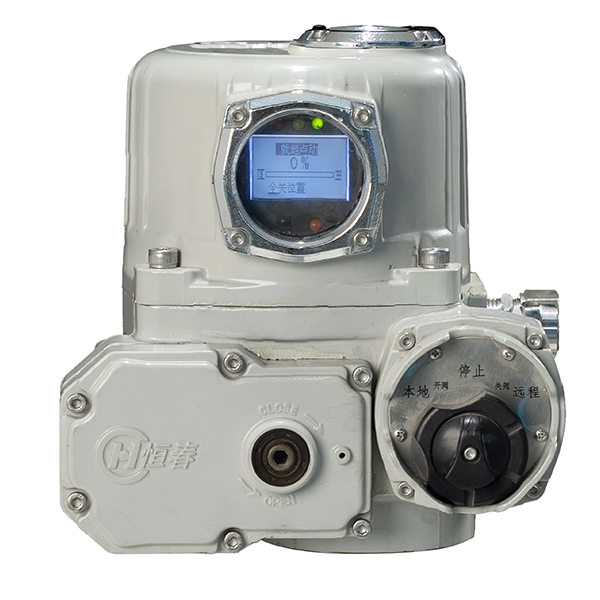
Marine electric valve actuators are versatile and can be used with various types of valves. Each valve type serves specific functions in marine applications:
Quarter-Turn Valves:
These include ball, butterfly, and plug valves. They are designed for quick operation, typically requiring only a 90-degree turn to open or close fully. This rapid response is crucial in situations where immediate flow control is needed.
Multi-Turn Valves:
Examples are gate and globe valves. These valves require multiple turns to operate fully. They are ideal for applications needing fine control over flow rates, such as in cooling systems.
Linear Valves:
Diaphragm valves fall under this category. They control flow by moving a diaphragm up and down, making them suitable for precise flow regulation in sensitive applications.
Marine electric valve actuators find applications across various sectors in the maritime industry. Here are some common use cases:
Commercial Ships and Official Vessels:
On commercial vessels, these actuators control ballast systems, fuel lines, and other critical systems. Their reliability ensures smooth operations during voyages.
Offshore Platforms and Marine Engineering:
In offshore oil rigs and marine construction projects, actuators manage fluid transfer and control systems. They are essential for maintaining safety and efficiency in harsh environments.
Fire Protection, Fuel Systems, and Cooling Systems:
These actuators play a vital role in fire suppression systems, ensuring rapid response in emergencies. In fuel systems, they control the flow of fuel to engines, while in cooling systems, they regulate water flow to maintain optimal temperatures.
Hengchun Actuator specializes in providing marine electric valve actuators tailored for these applications. Their products are designed to meet the rigorous demands of the marine environment, ensuring both performance and safety.
Application Area | Valve Types Used | Key Features |
Commercial Ships | Quarter-turn valves | Quick operation for ballast and fuel control |
Offshore Platforms | Multi-turn valves | Fine control for fluid management |
Fire Protection Systems | Linear valves | Rapid response in emergencies |
Cooling Systems | Multi-turn and linear valves | Precise regulation of water flow |
The versatility and reliability of marine electric valve actuators make them indispensable in the maritime industry. Whether for commercial shipping, offshore operations, or safety systems, these actuators ensure efficient and safe fluid management.
Marine electric valve actuators are crucial for efficient fluid management in maritime applications. Their reliability and performance enhance safety on commercial ships and offshore platforms.
Looking ahead, advancements in actuator technology promise even greater efficiency and automation.
We encourage you to explore marine electric valve actuators, including those from trusted brands like Hengchun Actuator, to meet your operational needs.
A: Marine electric valve actuators provide automation, faster response times, and reduced labor costs compared to manual systems.
A: Consider factors like valve type, power requirements, environmental conditions, and specific application needs.
A: Regular inspections, cleaning, and testing of electrical components and seals are crucial for optimal performance.
A: Yes, many actuators are designed to meet safety standards, making them suitable for hazardous marine environments.


