
Author: Site Editor Publish Time: 2026-05-09 Origin: Site


Have you ever considered what happens to critical systems during a power outage? Power-off Reset Valves Actuators are essential devices that ensure safety and reliability in industrial applications. They automatically return valves to a safe position when power is lost, preventing leaks and hazards.
In this article, we will explore the functionality of Power-off Reset Valves Actuators, their importance in various industries, and how they contribute to operational safety. You’ll learn about their key features, applications, and the advantages they offer in maintaining system integrity.
A Power-off Reset Valves Actuator is a specialized device designed to ensure safety in critical systems. When electrical power is disrupted, it automatically returns valves to a predetermined safe position. This functionality is vital in preventing leaks and maintaining system integrity during power outages.
Key Characteristics:
Fail-Safe Operation: Automatically shifts to a safe position when power is lost.
Versatility: Suitable for various applications, including oil and gas, HVAC, and chemical processing.
Reliability: Designed to operate under harsh conditions, ensuring consistent performance.
These actuators are essential in industries where sudden power loss can lead to catastrophic results. By understanding their definition and characteristics, we can appreciate their role in enhancing safety.
So, how does a Power-off Reset Valves Actuator function? The mechanism is straightforward yet effective. During normal operations, these actuators control valve positions using electrical or hydraulic power. When power fails, they rely on stored energy to reset the valve.
Mechanism of Operation:
1. Normal Conditions:
The actuator receives power and operates the valve as intended.
It maintains precise control over the valve position.
2. Power-Off Conditions:
Upon power loss, the actuator automatically engages its energy storage system.
It drives the valve to a safe position, preventing potential hazards.
Energy Storage Methods:
Springs: Mechanical springs store energy and facilitate the return of the valve to its safe state.
Batteries: Some actuators utilize internal batteries to provide the necessary power for operation during outages.
Hydraulic Accumulators: These devices store hydraulic energy, ensuring that the actuator can function even without external power.
Here’s a quick overview of the energy storage methods used in Power-off Reset Valves Actuators:
Energy Storage Method | Description |
Springs | Mechanical devices that return the valve to a safe position. |
Batteries | Provide backup power for operation during outages. |
Hydraulic Accumulators | Store hydraulic energy for reliable valve operation. |
This combination of mechanisms and energy sources ensures that Power-off Reset Valves Actuators operate effectively, even in challenging conditions.
Overall, understanding these basics lays the groundwork for appreciating the critical role these actuators play in industrial safety. They not only enhance operational reliability but also protect valuable equipment and personnel from potential dangers.
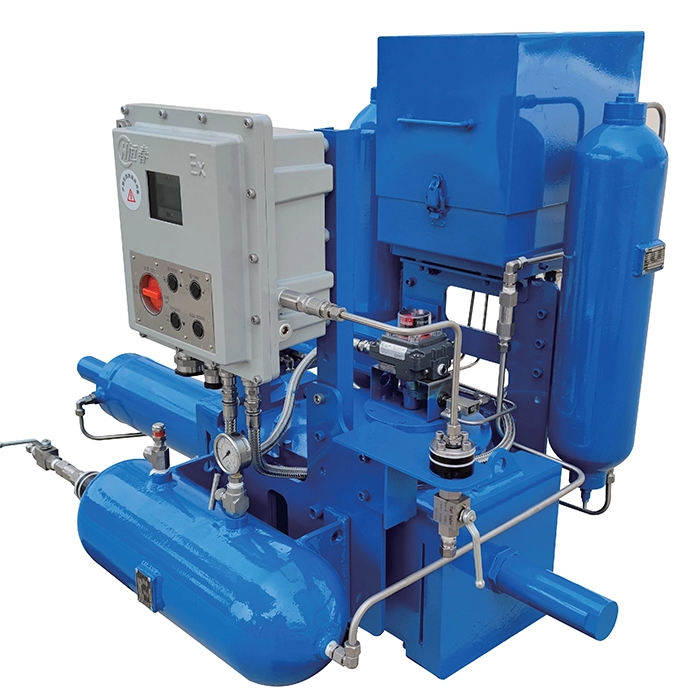
One of the standout features of a Power-off Reset Valves Actuator is its automatic reset capability. This function is crucial for maintaining safety and reliability in industrial processes.
When power is lost, the actuator springs into action, moving the valve to a safe position without any manual intervention. This automatic response is vital in preventing accidents, such as leaks or system failures, which can be costly and dangerous.
Importance in Safety and Reliability:
Immediate Response: The actuator reacts instantly to power loss, ensuring that the system remains safe.
Prevention of Hazards: By moving to a safe position, it minimizes the risk of leaks and pressure buildup.
Enhanced System Integrity: Consistent operation under various conditions builds trust in the system's reliability.
Understanding the different safety positions of a Power-off Reset Valves Actuator is essential. These positions dictate how the actuator behaves when power is interrupted.
1. Fail-Closed:
Definition: The valve closes when power is lost.
Applications: Often used in systems handling hazardous materials to prevent leaks.
Example: In oil and gas pipelines, a fail-closed position ensures that no flammable substances escape during an outage.
2. Fail-Open:
Definition: The valve opens when power is lost.
Applications: Used in cooling systems to maintain flow and prevent overheating.
Example: In HVAC systems, a fail-open configuration allows for continued airflow, protecting sensitive equipment.
3. Fail-in-Place:
Definition: The valve remains in its last position during a power failure.
Applications: Useful in processes where maintaining the current state is critical.
Example: In certain chemical processing applications, keeping the valve in place can prevent dangerous reactions.
Here’s a quick overview of these safety positions:
Safety Position | Description | Typical Applications |
Fail-Closed | Closes valve to prevent flow | Hazardous material handling |
Fail-Open | Opens valve to allow flow | Cooling systems, HVAC |
Fail-in-Place | Maintains last position | Chemical processing, critical systems |
Another significant advantage of Power-off Reset Valves Actuators is their configurable fail-safe directions. Users can select how the actuator responds based on specific process requirements.
This flexibility allows for tailored solutions that meet the unique needs of different industries. For example, in a chemical plant, operators may prefer a fail-closed configuration to ensure safety. In contrast, a water treatment facility might opt for a fail-open setup to maintain flow.
User-selectable options include:
Fail-Closed or Fail-Open: Depending on the application’s safety needs.
Custom Logic Configurations: Tailored to specific operational requirements.
By offering these configurable options, Power-off Reset Valves Actuators enhance operational efficiency while ensuring safety. This adaptability makes them invaluable in various industrial settings, allowing companies to optimize their processes effectively.
The Power-off Reset Valves Actuator plays a critical role across various industries. Its ability to ensure safety during power outages makes it invaluable in sectors where reliability is paramount.
Oil & Gas: In this industry, safety is non-negotiable. Power-off reset valves are essential for preventing leaks and controlling flow in pipelines. They automatically close during power failures, safeguarding against environmental hazards.
HVAC Systems: These systems rely on consistent airflow for efficiency. Power-off reset valves help maintain operations during outages, ensuring that cooling and heating functions remain uninterrupted. This is crucial in buildings where temperature control is vital for comfort and safety.
Chemical Processing: The chemical industry handles volatile substances. Here, power-off reset valves act as safety barriers, closing off flow paths to prevent leaks and potential disasters. Their automatic response to power loss is a key feature that enhances operational safety.
Firefighting: In firefighting systems, these actuators ensure that water supply valves operate correctly, even during power failures. They can automatically open or close, maintaining pressure and flow to critical areas.
The applications of Power-off Reset Valves Actuator extend beyond general industry needs. Here are some specific use cases highlighting their importance:
1. Emergency Shutdown Systems:
These systems are designed to quickly halt operations in case of an emergency. Power-off reset valves play a crucial role by ensuring that the flow of hazardous materials is stopped immediately, minimizing risks.
2. Unmanned Remote Valve Stations:
In remote locations, operators may not always be present. Power-off reset valves enable safe operation without constant monitoring. They automatically adjust valve positions based on power availability, making them ideal for unmanned stations.
3. Long-Distance Pipelines:
Managing flow in long-distance pipelines is challenging. Power-off reset valves help maintain safety by closing off sections of the pipeline during power outages. This prevents spills and protects the environment.
Here’s a quick overview of the industries and specific applications for Power-off Reset Valves Actuator:
Industry | Specific Use Case | Role of Power-off Reset Valves |
Oil & Gas | Emergency shutdown systems | Prevents leaks and controls flow during outages |
HVAC Systems | Unmanned remote valve stations | Maintains airflow and temperature control |
Chemical Processing | Long-distance pipelines | Closes flow paths to prevent leaks |
Firefighting | Fire suppression systems | Ensures water supply valves operate correctly |
Hengchun Actuator is a key player in providing these reliable solutions across industries. Their products are designed to meet the rigorous demands of critical applications, ensuring that safety and efficiency are always prioritized. By integrating Power-off Reset Valves Actuators into their systems, companies can enhance operational reliability and protect both personnel and the environment.

One of the primary advantages of the Power-off Reset Valves Actuator is its ability to enhance safety in various operations. These devices are engineered to prevent leaks and mitigate hazardous conditions, which is crucial in industries handling volatile substances.
Leak Prevention: During a power failure, the actuator automatically closes the valve, stopping any potential leaks. This feature is especially important in the oil and gas sector, where even a small leak can have serious environmental consequences.
Hazard Mitigation: By ensuring that valves return to a safe position, these actuators help maintain system integrity. This is vital in chemical processing facilities, where uncontrolled flow could lead to dangerous situations.
Another significant benefit of Power-off Reset Valves Actuators is their reliable performance in challenging conditions. Many industries operate in environments where equipment must withstand extreme temperatures, moisture, and other stressors.
Adaptability: These actuators are designed for outdoor and remote installations. They can operate effectively in various weather conditions, ensuring that safety measures remain intact, regardless of the environment.
Durability: Built with robust materials, Power-off Reset Valves Actuators resist corrosion and wear. This durability means less frequent replacements and lower maintenance costs over time.
Here’s a quick overview of the advantages of using these actuators:
Advantage | Description |
Leak Prevention | Automatically closes valves to prevent leaks. |
Hazard Mitigation | Maintains system integrity during power failures. |
Adaptability | Operates effectively in outdoor and remote environments. |
Durability | Resistant to corrosion, leading to lower maintenance. |
Power-off Reset Valves Actuators play a crucial role in reducing operational risks, especially in unmanned and critical applications. Their automatic reset feature ensures that systems remain safe even when operators are not present.
Importance in Unmanned Applications: In remote locations, these actuators provide peace of mind. They ensure that processes continue to operate safely without constant human oversight. For example, in long-distance pipelines, they can automatically shut off flow in case of emergencies.
Compliance with Standards: Hengchun Actuator's products comply with international standards for functional safety and reliability. This compliance means that users can trust these actuators to perform as expected, even in the most demanding environments.
By integrating Power-off Reset Valves Actuators into their systems, companies can significantly enhance safety, reliability, and operational efficiency. These advantages make them indispensable in various industries, from oil and gas to chemical processing and beyond.
The Power-off Reset Valves Actuator is vital for ensuring safety and reliability in various industrial applications. These devices automatically secure valves during power outages, preventing leaks and hazards.
Consider integrating these actuators to enhance operational safety in your systems. Explore Hengchun Actuator solutions to meet your specific power-off reset requirements effectively.
A: Fail-safe actuators automatically return to a safe position during power loss, while regular actuators may not have this feature.
A: Regular inspections and testing of the actuator's functionality, along with cleaning and ensuring proper lubrication, are essential for maintenance.
A: Power-off Reset Valves Actuators can be used in various valve types, but compatibility should be verified based on specific applications.
A: Common challenges include ensuring proper installation, maintaining energy storage systems, and adapting to extreme environmental conditions.


