
Author: Site Editor Publish Time: 2026-03-21 Origin: Site


Are you tired of manual valves that require constant attention? Electric valve actuators offer a modern solution.
These devices automate valve operations, enhancing efficiency in various industries.
In this article, we’ll explore what an electric valve actuator is, its key functions, and why it’s preferred over traditional options. You’ll discover the advantages of electric actuators, including precision and reliability, making them essential in industrial automation.
Understanding the core components of an electric valve actuator is essential for grasping how these devices operate efficiently. Each part plays a crucial role in ensuring precise control of valves in various applications. Let’s break down these components.
The electric motor is the heart of the electric valve actuator. It converts electrical energy into mechanical motion, driving the actuator's movement.
● Role and Significance: The motor is responsible for generating the torque needed to operate the valve. It ensures quick response times, allowing for real-time adjustments in fluid control.
● Types of Motors: Commonly used motors include AC and DC types. AC motors are often favored for their durability, while DC motors are valued for their precision and control.
A gearbox is crucial for enhancing the performance of the electric valve actuator.
● Torque Enhancement: The gearbox increases the torque output from the motor, allowing it to handle larger valves that require more force to operate. This is particularly important in heavy-duty applications.
● Speed Reduction: By reducing the speed of the motor's output, the gearbox enables smoother operation and better control over valve positioning. This ensures that even slight adjustments can be made accurately.
Component | Function | Benefits |
Electric Motor | Converts electrical energy to motion | Quick response, real-time control |
Gearbox | Enhances torque, reduces speed | Smooth operation, precise control |
The control unit acts as the brain of the electric valve actuator.
● Function in Signal Processing: It receives input signals from control systems, like PLCs, and processes these signals to direct the motor's actions. This ensures that the valve opens, closes, or adjusts as needed based on the system's requirements.
● Integration with Communication Protocols: Many control units support various communication protocols, such as Modbus and Profibus, allowing for seamless integration into existing automation systems.
Feedback sensors are vital for ensuring accurate operation of electric valve actuators.
● Limit Switches: These sensors detect the position of the valve, confirming whether it is fully open or closed. They prevent over-travel, which can damage the actuator or the valve itself.
● Position Sensors: These provide continuous feedback on the valve's position, allowing for precise adjustments. This is especially important in applications where maintaining specific flow rates is critical.
By combining these components, electric valve actuators deliver a reliable and efficient solution for fluid control in various industries. Companies like Yangzhou Hengchun Electronics have developed advanced electric valve actuators that integrate these core features, ensuring high performance and durability in demanding environments.
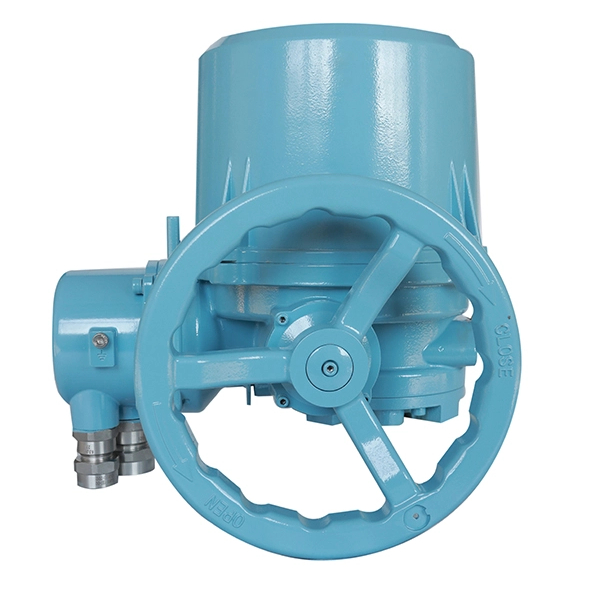
Electric valve actuators come in several types, each designed for specific applications and valve types. Understanding these types can help you choose the right actuator for your needs.
Quarter-turn electric actuators are widely used for valves that require a rotation of 90 degrees to open or close.
● Applications and Typical Valve Types: These actuators are ideal for ball valves and butterfly valves. They provide quick and efficient operation, making them perfect for applications where speed is essential.
● Example Brands: Leading manufacturers like Auma and Rotork offer robust quarter-turn actuators. Their products are known for reliability and performance in various industrial settings.
Brand | Features | Applications |
Auma | High torque, durable construction | Water treatment, HVAC systems |
Rotork | Advanced control options, energy-efficient | Oil and gas, chemical processing |
Multi-turn electric actuators are designed for valves requiring multiple rotations to operate fully.
● Uses for Gate and Globe Valves: These actuators are commonly used with gate and globe valves, which need precise control over flow rates. Their ability to handle heavy loads makes them suitable for high-pressure applications.
● Example Brands: Emerson and Flowserve are notable players in this space. Their multi-turn actuators are engineered to deliver consistent performance in demanding environments.
Linear electric actuators convert rotational motion into linear motion, making them suitable for specific valve types.
● Applications in Diaphragm and Pinch Valves: These actuators are often used in diaphragm and pinch valves, providing accurate control over flow rates in various processes. They excel in applications requiring precise adjustments, such as in pharmaceutical and food processing industries.
● Example Brands: Companies like Parker and SMC offer linear actuators known for their reliability and efficiency, ensuring smooth operation in critical applications.
Type | Typical Applications | Example Brands |
Quarter-Turn | Ball, butterfly valves | Auma, Rotork |
Multi-Turn | Gate, globe valves | Emerson, Flowserve |
Linear | Diaphragm, pinch valves | Parker, SMC |
By selecting the right type of electric valve actuator, you can optimize your system's performance and efficiency. Each actuator type serves specific functions and industries, ensuring that you have the right tool for every job. Whether you need quick operation, precise control, or robust performance, there’s an electric valve actuator designed to meet your requirements.
Electric valve actuators offer a range of features and benefits that make them essential in various industrial applications. Their design focuses on efficiency, accuracy, and safety. Let’s explore these key aspects.
One of the standout features of electric valve actuators is their precision control.
● Accurate Positioning: These actuators provide exact positioning for valves, allowing for fine adjustments in flow rates. This is crucial in processes where even slight variations can impact product quality or operational efficiency.
● Feedback Mechanisms: Many electric valve actuators incorporate feedback sensors. These sensors continuously monitor the valve's position, ensuring it operates within desired parameters.
Safety is a top priority in industrial settings, and electric valve actuators are equipped with several fail-safe features.
● Overview of Fail-Safe Features: Many models include battery backups that maintain operation during power failures. This ensures that critical processes continue running smoothly.
● Spring Returns: Some actuators come with spring return mechanisms. These automatically return the valve to a safe position if power is lost, preventing potential hazards.
Feature | Description | Benefits |
Precision Control | Accurate positioning with feedback | Ensures optimal flow rates |
Safety Mechanisms | Battery backups and spring returns | Maintains operation during outages |
Energy efficiency is another significant advantage of electric valve actuators.
● Power Consumption: Compared to pneumatic or hydraulic actuators, electric actuators typically consume less energy. They eliminate the need for compressed air or hydraulic fluids, reducing overall operational costs.
● Sustainability: Lower energy consumption not only cuts costs but also minimizes environmental impact, aligning with modern sustainability goals.
Electric valve actuators are designed for longevity and reliability, which translates to lower maintenance needs.
● Durability: Many electric actuators are built to withstand harsh environments, ensuring they remain operational for extended periods.
● Maintenance-Free Operation: Some high-quality models can operate for over 30,000 cycles without requiring significant maintenance. This means less downtime and lower costs associated with repairs and upkeep.
Benefit | Details |
Low Maintenance | Operates for over 30,000 cycles |
Longevity | Built for harsh environments |
These features make electric valve actuators a preferred choice in many industries, from water treatment to chemical processing. Their combination of precision, safety, energy efficiency, and low maintenance requirements ensures they meet the demands of modern automation systems effectively.
Electric valve actuators are integral to various industries, providing reliable control over fluid flow and pressure. Their versatility makes them suitable for numerous applications, enhancing efficiency and safety across sectors.
Electric valve actuators find use in several key industries:
● Oil and Gas: In this sector, electric actuators manage the flow of crude oil and natural gas. They enable precise control in pipelines and refineries, ensuring optimal production rates while maintaining safety standards.
● Water Treatment: Water treatment facilities utilize electric actuators to regulate the flow of water through filtration and chemical dosing systems. Their accuracy helps maintain water quality and compliance with environmental regulations.
● Chemical Processing: The chemical industry relies on electric valve actuators to control the flow of various chemicals during production. They ensure safe handling and mixing of substances, which is critical to preventing hazardous reactions.
● HVAC Systems: In heating, ventilation, and air conditioning systems, electric actuators adjust dampers and valves. This allows for efficient temperature control and air distribution, improving energy efficiency in buildings.
Industry | Application | Benefits |
Oil and Gas | Flow management in pipelines | Enhanced safety and efficiency |
Water Treatment | Regulation of filtration processes | Improved water quality |
Chemical Processing | Control of chemical flow | Safe handling and mixing |
HVAC Systems | Adjustment of dampers and valves | Energy efficiency |
The applications of electric valve actuators extend to various real-world scenarios, showcasing their importance in operational efficiency.
● Petrochemical Plants: Here, electric valve actuators control the flow of feedstock and finished products. Their ability to provide precise control helps optimize production processes, reducing waste and improving output.
● Power Generation Facilities: In power plants, these actuators manage steam and water flow in turbines and cooling systems. This ensures efficient energy production while maintaining safety protocols.
● Food and Beverage Industry: Electric valve actuators are used in processing lines to control ingredients and maintain hygiene standards. Their reliability is crucial in meeting health regulations.
These diverse applications highlight how electric valve actuators enhance operational efficiency and safety across various industries. Their ability to provide precise control over fluid dynamics is invaluable, making them a preferred choice for many applications. With advancements in technology, the role of electric valve actuators will continue to grow, adapting to the evolving needs of different sectors.

Choosing the right electric valve actuator is crucial for ensuring optimal performance in your applications. Several factors can influence your decision, and being aware of common mistakes can save you time and resources.
When selecting an electric valve actuator, consider the following key factors:
● Operating Torque and Thrust Requirements: Determine the required torque and thrust for your specific valve type. This ensures the actuator can handle the load and operate efficiently.
● Environmental Conditions and Certifications: Evaluate the operating environment. If the actuator will be exposed to harsh conditions, look for certifications like ISO9001, CE, or ATEX. These certifications indicate that the actuator meets safety and quality standards.
● Voltage and Power Specifications: Check the voltage and power requirements of the actuator. Ensure compatibility with your existing electrical systems to avoid operational issues. Different applications may require different power specifications, so it’s essential to match these accurately.
Factor | Considerations |
Operating Torque | Ensure it matches the valve's requirements |
Environmental Conditions | Look for certifications like ISO9001, CE, ATEX |
Voltage and Power | Match specifications with existing systems |
While selecting an electric valve actuator, avoid these common pitfalls:
● Overlooking Compatibility with Existing Systems: One of the biggest mistakes is failing to ensure that the actuator is compatible with your current systems. This can lead to installation issues and operational inefficiencies. Always verify specifications before making a purchase.
● Ignoring Maintenance Needs: Maintenance requirements can vary significantly between different actuators. Some may require regular servicing, while others are designed for low-maintenance operation. Understanding these needs upfront can prevent unexpected downtime and costs.
● Size and Weight: Ensure the actuator fits within the physical constraints of your installation. A compact design may be necessary for tight spaces.
● Control Options: Consider whether you need manual override capabilities or specific control features like position feedback or communication protocols.
By taking these factors into account and avoiding common mistakes, you can select an electric valve actuator that meets your operational needs effectively. This thoughtful approach will enhance the reliability and efficiency of your systems, ensuring smooth operations across various applications.
Electric valve actuators are essential devices for controlling fluid flow. They offer precision, safety, and energy efficiency.
These actuators are used in various industries, including oil and gas, water treatment, and HVAC systems.
Looking ahead, trends in technology will drive advancements in smart control and IoT integration. This will enhance their functionality and efficiency further.
A: Electric valve actuators can operate for over 30,000 cycles with minimal maintenance, ensuring longevity.
A: While initial costs may be higher, electric valve actuators offer lower energy and maintenance costs over time.
A: Yes, many electric actuators are designed for hazardous environments and come with certifications like ATEX.
A: Look for certifications such as ISO9001, CE, and ATEX to ensure safety and quality standards.


