
Author: Site Editor Publish Time: 2026-03-23 Origin: Site


Have you ever wondered how industries control fluid flow with precision? Valve actuators play a crucial role in this process. These devices automate the opening and closing of valves, ensuring efficient operation in various applications.
Understanding valve actuators is essential, especially in sectors like energy and petrochemical. Choosing the right actuator can significantly impact safety and efficiency.
In this post, we’ll explore the three main types of valve actuators: pneumatic, electric, and hydraulic. You’ll learn about their features, advantages, and how to select the best one for your needs.
When it comes to controlling fluid flow in industrial settings, valve actuators are essential. They automate the movement of valves, ensuring efficiency and safety across various applications. The three main types of valve actuators are pneumatic, electric, and hydraulic. Each type has unique characteristics that make it suitable for specific tasks.
● Pneumatic Actuators
These actuators utilize compressed air to operate valves. They are known for their quick response times and reliability, making them ideal for high-speed applications. Pneumatic actuators are prevalent in industries where rapid actuation is crucial, such as in oil and gas or chemical processing.
● Electric Actuators
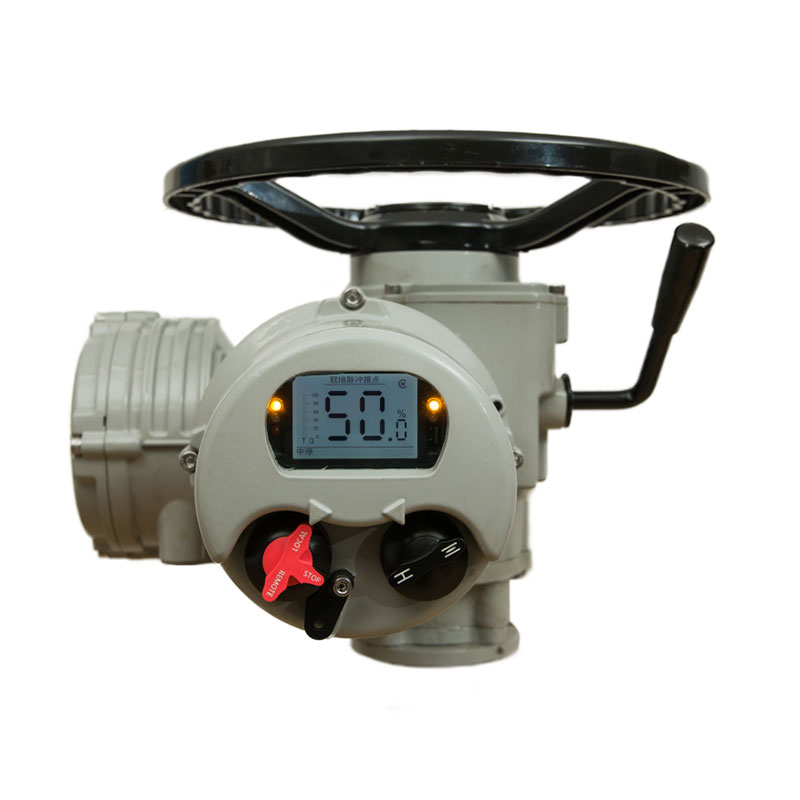
Electric valve actuators are powered by electricity, offering precise control over valve positioning. They are often favored for their energy efficiency and low maintenance requirements. In sectors like water treatment and pharmaceuticals, electric actuators provide accurate flow regulation, essential for maintaining quality standards. Yangzhou Hengchun Electronics Co., Ltd. specializes in these solutions, ensuring compliance with strict industry standards.
● Hydraulic Actuators
These actuators operate using pressurized fluid, delivering substantial force for heavy-duty applications. Hydraulic actuators excel in environments where high torque is necessary, such as in construction and manufacturing. They are particularly effective for large valves, ensuring reliable performance even under extreme conditions.
The choice of actuator significantly impacts operational efficiency and safety. Here’s a look at how each type is utilized across different sectors:
Industry | Pneumatic Actuators | Electric Actuators | Hydraulic Actuators |
Oil & Gas | Fast valve operation for pipeline control | Used for precise flow regulation | Heavy-duty applications in drilling |
Chemical Processing | Quick response for safety systems | Ensures accurate mixing and dosing | Controls large valves in reactors |
Water Treatment | Rapid actuation for filtration systems | Maintains consistent flow rates | Handles high-pressure applications |
Manufacturing | Efficient control in assembly lines | Automated systems for precision tasks | Operates heavy machinery |
Each actuator type has its place, and understanding their roles helps businesses optimize their operations. For instance, Hengchun's electric valve actuators are crucial in nuclear power plants, where safety and reliability are paramount. These actuators comply with stringent regulations, ensuring that they can withstand the demands of high-stakes environments.
In summary, selecting the right valve actuator can enhance efficiency and safety in industrial applications. Whether you need the speed of pneumatic actuators, the precision of electric actuators, or the power of hydraulic actuators, understanding their strengths is key to making an informed decision.

Pneumatic valve actuators are essential devices used to control the movement of valves in various industrial applications. They operate using compressed air to create mechanical motion, providing a reliable solution for automating processes. These actuators are particularly valued for their speed and responsiveness.
Pneumatic actuators use compressed air to drive a piston or diaphragm, which in turn opens or closes a valve. This mechanism allows for rapid actuation, making them ideal for applications requiring quick responses. The basic working principle involves converting air pressure into linear or rotary motion.
● Speed and Efficiency
Pneumatic actuators excel in applications where fast cycle times are crucial. They can operate valves within milliseconds, significantly enhancing overall process efficiency.
● Common Designs
○ Rack-and-Pinion: Converts linear motion to rotary motion. Often used for quarter-turn valves.
○ Scotch Yoke: Provides a smooth transition from linear to rotary motion, ideal for larger valves.
Pneumatic actuators offer several advantages that make them a popular choice in many industries:
● Fast Cycle Times: They can quickly open and close valves, which is vital in processes like chemical mixing or fluid transfer.
● Durability: Designed to withstand harsh conditions, they have a long operational life.
● Fail-Safe Options: Many pneumatic actuators come with fail-safe features, ensuring that valves return to a safe position during power loss. This is crucial in industries like energy and petrochemicals, where safety is paramount.
Pneumatic actuators find extensive use across various sectors:
Industry | Application |
Oil & Gas | Control of valves in drilling and processing |
Chemical Processing | Automation of mixing and dosing systems |
Water Treatment | Rapid control of filtration and flow rates |
Food & Beverage | Ensuring precise control in bottling processes |
These actuators are particularly important in industries where safety and efficiency are critical. For example, in the energy sector, pneumatic actuators help manage the flow of gases and liquids under high pressure.
While pneumatic actuators have many benefits, they also come with limitations:
● Dependence on Compressed Air Supply: They require a continuous supply of compressed air, which can be a logistical challenge in some settings.
● Potential Hazards: In explosive environments, the use of compressed air can pose risks. Therefore, safety certifications are essential to ensure compliance with industry standards.
Pneumatic actuators are an excellent choice for many applications, but understanding their limitations is key to ensuring safe and efficient operation. As industries evolve, integrating pneumatic systems with electric valve actuators can provide enhanced control and flexibility, adapting to various operational demands.
Electric valve actuators are increasingly popular in various industries due to their precision and efficiency. These devices use electrical energy to operate valves, providing an effective solution for automated control in many applications. Their operational mechanism is straightforward: an electric motor drives a gear system that opens or closes the valve.
Electric actuators convert electrical energy into mechanical motion. This conversion allows for precise control over valve positions, making them ideal for applications where accuracy is crucial. They can be used for both linear and rotary valve movements, depending on the design.
● Precision Control
Electric actuators offer exceptional accuracy in controlling valve positions. This precision is vital in processes where exact flow rates are necessary, such as in pharmaceuticals and water treatment.
● Energy Efficiency
These actuators consume less energy compared to their pneumatic counterparts. They can operate effectively at lower power levels, reducing overall operational costs.
● Integration with Digital Control Systems
Electric valve actuators can easily integrate with Distributed Control Systems (DCS). This integration allows for remote monitoring and management, enhancing operational efficiency.
Electric actuators come with several notable advantages:
● Clean Operation
Unlike pneumatic actuators, electric actuators do not produce exhaust. This makes them ideal for clean environments, such as water treatment facilities and pharmaceutical manufacturing.
● Manual Override Options
Many electric actuators feature manual override options. This capability ensures that operators can still control the valves during power outages or system failures, enhancing reliability.
Electric actuators are widely used across various sectors, including:
Industry | Application |
Water Treatment | Precise control of flow rates in filtration systems |
Pharmaceuticals | Automation of mixing and dosing processes |
Energy | Control of valves in power generation systems |
Nuclear Power Plants | High-safety applications, ensuring operational reliability |
Yangzhou Hengchun Electronics Co., Ltd. designs electric actuators specifically for high-safety applications, such as those found in nuclear power plants. Their products meet stringent safety standards, ensuring reliable performance even in critical environments.
Despite their advantages, electric actuators have some limitations:
● Higher Initial Costs
The upfront cost of electric actuators can be higher than pneumatic options. However, their efficiency often leads to long-term savings.
● Dependency on a Reliable Power Source
Electric actuators require a continuous power supply to function. In areas where power reliability is an issue, this can pose a challenge.Electric valve actuators are a robust solution for many industrial applications, providing precise control and energy efficiency. As industries continue to evolve, the integration of electric actuators into automated systems will play a crucial role in enhancing operational effectiveness.
Hydraulic valve actuators are powerful devices used to control the movement of valves in various heavy-duty applications. They rely on pressurized fluid to create mechanical motion, making them ideal for tasks that require significant force. Understanding how these actuators function is essential for industries that demand reliability and efficiency.
Hydraulic actuators convert hydraulic energy into mechanical motion. They use pressurized fluid to move a piston, which in turn opens or closes a valve. This mechanism allows for precise control over large valves, making hydraulic actuators effective in environments where high torque is needed.
● High Force Output
Hydraulic actuators are designed to generate substantial force, enabling them to handle heavy loads. This feature is crucial in applications such as construction and manufacturing.
● Precision Control
They provide excellent control over valve positioning, allowing for accurate adjustments in flow rates. This precision is vital in processes that require consistent performance.
Hydraulic actuators bring several benefits to the table:
● Suitable for Heavy-Duty Applications
They are particularly effective in environments where robust performance is necessary, such as in construction sites and heavy machinery operations.
● Stability Under High Pressure
Hydraulic systems can operate efficiently under high pressure, making them ideal for critical operations in oil and gas industries. This stability ensures that valves perform reliably even in challenging conditions.
Hydraulic actuators are commonly used in various sectors, including:
Industry | Application |
Construction | Operating heavy machinery and equipment |
Manufacturing | Automation of assembly lines |
Oil & Gas | Controlling flow in pipelines and drilling rigs |
Mining | Managing equipment in harsh environments |
These actuators are essential in industries where reliability and power are paramount. For instance, in oil and gas, they control critical valves that manage the flow of resources under high pressure.
While hydraulic actuators have many advantages, they also come with some drawbacks:
● Complexity and Maintenance Requirements
● Hydraulic systems can be complex, requiring regular maintenance to ensure optimal performance. This complexity can lead to increased operational costs.
● Potential for Fluid Leakage
Hydraulic systems are susceptible to fluid leaks, which can lead to inefficiencies and safety hazards. Regular inspections are necessary to mitigate these risks.
Hydraulic valve actuators are a powerful solution for many industrial applications, particularly where high force and precision are needed. As industries continue to evolve, integrating hydraulic systems with other technologies, like electric valve actuators, can enhance overall efficiency and control.
When selecting a valve actuator, understanding the differences between pneumatic, electric, and hydraulic actuators is crucial. Each type has its unique features, advantages, and limitations that make it suitable for specific applications. Here’s a side-by-side comparison to help you make an informed decision.
The following table summarizes the key features, advantages, and limitations of each actuator type:
Actuator Type | Key Features | Advantages | Limitations |
Pneumatic | - Uses compressed air | - Fast cycle times | - Requires a continuous air supply |
- Common designs: rack-and-pinion, Scotch yoke | - Reliable in high-speed applications | - Potential hazards in explosive environments | |
Electric | - Operates on electrical energy | - Precise control | - Higher initial costs than pneumatic options |
- Integrates well with digital control systems | - Clean operation without exhaust | - Dependent on a reliable power source | |
Hydraulic | - Uses pressurized fluid | - High force output | - Complex maintenance requirements |
- Excellent stability under high pressure | - Suitable for heavy-duty applications | - Potential for fluid leakage |
This comparison highlights the distinct characteristics of each actuator type, making it easier to determine which one fits your needs.
Selecting the right actuator involves considering several factors:
● Application Requirements
Evaluate the specific needs of your process. For instance, if you require rapid valve movement, pneumatic actuators may be best. If precision is critical, an electric valve actuator could be the ideal choice.
● Environment
Consider the environment where the actuator will be used. Electric actuators are suitable for clean environments, while hydraulic actuators excel in heavy-duty applications.
● Cost
Assess your budget. While electric actuators might have higher upfront costs, their efficiency can lead to long-term savings.
Yangzhou Hengchun Electronics Co., Ltd. specializes in providing tailored solutions for actuator design and integration. Their expertise ensures that you receive the right actuator for your specific application, enhancing efficiency and safety.
By carefully evaluating these factors and understanding the strengths and weaknesses of each actuator type, you can make a more informed choice that aligns with your operational goals.
A: The best type depends on your specific needs. For fast operations, choose pneumatic; for precision, opt for electric; and for heavy-duty applications, select hydraulic.
A: Assess your application requirements, environment, and cost. Pneumatic is ideal for speed, electric for precision, and hydraulic for high force.
A: Pneumatic actuators need air supply checks, electric actuators require electrical inspections, and hydraulic actuators demand regular fluid checks to prevent leaks.
A: Yes, many electric actuators have manual override options, while pneumatic and hydraulic systems typically allow for manual operation as well.
A: Look for fail-safe options, compliance with industry standards, and certifications to ensure reliability and safety in critical applications.
Valve actuators play a crucial role in industrial processes. They enhance efficiency and ensure safety across various applications.
We discussed three types: pneumatic, electric, and hydraulic actuators. Each type has unique advantages and limitations.
When selecting a valve actuator, consider your specific needs. Don't hesitate to seek expert advice, like that from Yangzhou Hengchun Electronics Co., Ltd.


