
Author: Site Editor Publish Time: 2026-05-10 Origin: Site


Have you ever wondered how ships maintain precise control over their fluid systems? Electric valve actuators play a crucial role in marine applications, ensuring safety and efficiency. In this article, we will explore the different types of electric valve actuators used in marine environments. You’ll learn about their functions, advantages, and the specific applications that make them essential for modern marine operations.
Electric valve actuators are vital components in marine systems, playing a crucial role in managing fluid control. They allow for precise operation of valves, which is essential in environments where safety and efficiency are paramount.
In marine applications, these actuators ensure smooth operation of various systems, including:
Ballast Control: Regulating water levels for stability.
Fire-Fighting Systems: Quick response to emergencies.
Engine Cooling: Maintaining optimal temperatures for performance.
These functions highlight how electric valve actuators contribute to the overall reliability of marine operations.
Electric valve actuators come with several advantages that make them indispensable in marine applications:
Reliability: They provide consistent performance, even in harsh conditions. This reliability is crucial for critical systems like ballast and fire-fighting systems, where failure is not an option.
Precision: With the ability to control valve positions accurately, these actuators enhance operational efficiency. This precision is vital when dealing with sensitive processes, such as fuel management and cooling systems.
Remote Operation: Many electric valve actuators support remote control, allowing operators to manage systems from a safe distance. This feature is especially important in hazardous environments, reducing the risk to personnel.
The impact of electric valve actuators on safety and efficiency cannot be overstated. Here are some key points to consider:
Enhanced Safety: In critical systems like fire-fighting, the ability to operate valves remotely ensures quick responses during emergencies. This capability can save lives and minimize damage.
Operational Efficiency: By automating valve operations, these actuators reduce manual labor and the potential for human error. This efficiency translates into lower operational costs and improved productivity.
Data Integration: Many modern electric valve actuators can integrate with monitoring systems, providing real-time data. This data helps operators make informed decisions, enhancing overall system performance.
Actuator Type | Key Features | Common Applications |
Quarter-Turn | 90-degree rotation, compact | Ballast and fuel systems |
Multi-Turn | Multiple rotations, high torque | Gate and globe valves |
Linear | Straight motion, adjustable speed | HVAC and precise control |
Intelligent | Integrated control, automation | Remote monitoring and operation |
This table summarizes the different types of electric valve actuators used in marine applications, showcasing their features and typical uses.
Electric valves actuators are essential for modern marine operations, ensuring safety, efficiency, and reliability. Brands like Hengchun Actuator lead the way in providing advanced solutions that meet the demanding needs of the maritime industry. Their products are designed to withstand the rigors of marine environments while delivering exceptional performance.
With the right electric valve actuators, marine operators can enhance their systems' functionality, ensuring smooth and safe operations on the water.
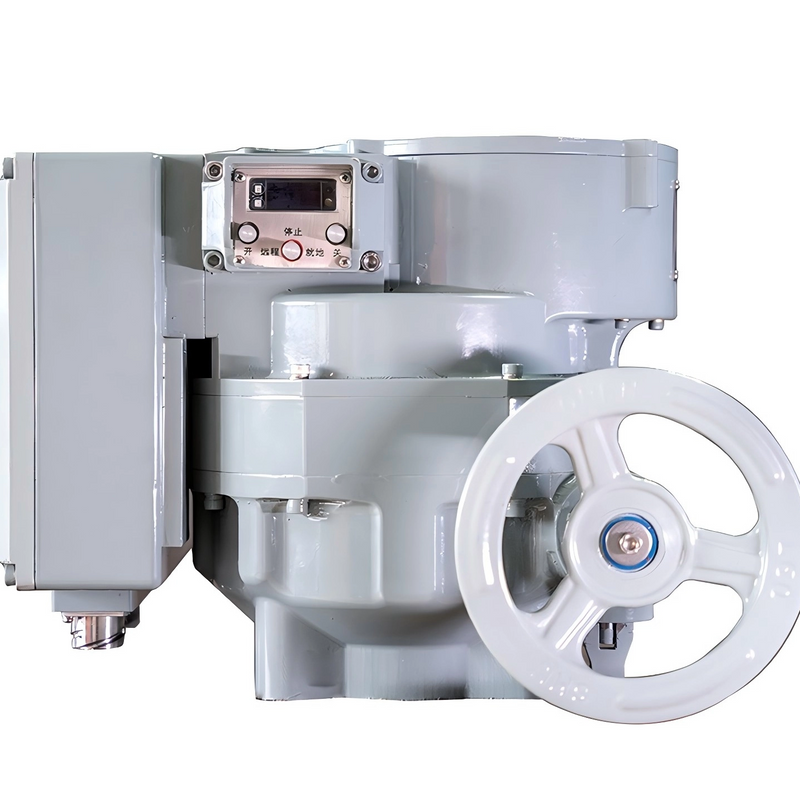
Electric valve actuators are integral to the efficient operation of marine systems. They provide precise control over fluid management, ensuring safety and reliability in various applications. Each type of actuator serves specific functions tailored to the unique demands of marine environments. Let’s explore the different types of electric valve actuators commonly used in marine applications.
Definition and Function
Quarter-turn electric valve actuators operate by rotating the valve stem 90 degrees. This straightforward motion is essential for quickly opening or closing valves, making them ideal for applications that require rapid response.
Suitable Valves
These actuators are typically compatible with:
Ball Valves: Known for their ability to provide a tight seal and minimal pressure drop.
Butterfly Valves: Commonly used for throttling and regulating flow in piping systems.
Plug Valves: Effective for tight sealing and quick operation, suitable for on/off control.
Marine Applications
You’ll find quarter-turn actuators in various marine systems, including:
Fuel Management Systems: Ensuring efficient fuel flow and preventing leaks, which is critical for operational safety.
Bilge Systems: Essential for removing excess water from the vessel's bilge, maintaining stability and safety.
Ballast Control Systems: Regulating water levels for optimal vessel buoyancy and trim.
Advantages
They offer several key benefits:
Compact Structure: Their design allows for installation in tight spaces, which is crucial on vessels where space is limited.
High Protection: Built to withstand harsh marine environments, including exposure to saltwater, humidity, and temperature fluctuations.
Stability Under Vibration: They maintain reliable operation even in rough seas, ensuring continuous performance.
Brand Example
Hengchun Actuator’s CHC Series is specifically engineered for marine applications, featuring robust construction and innovative design that ensures stable operation under challenging conditions.
Definition and Function
Multi-turn electric valve actuators provide multiple rotations to fully open or close a valve. This capability is essential for controlling larger valves that require more than a simple quarter turn.
Suitable Valves
These actuators are typically used with:Gate Valves: Ideal for on/off applications where full flow is needed, commonly found in water supply systems.
Globe Valves: Perfect for throttling and regulating flow in piping systems, allowing for fine control over fluid movement.
Marine Applications
They are commonly found in:
High-Pressure Steam Systems: Used in power generation on ships, where precise control is critical for safety and efficiency.
Large-Diameter Piping Systems: Essential for managing flow in extensive marine networks, such as those used in offshore platforms.
Advantages
Multi-turn actuators are known for:
High Torque: Capable of handling larger valves and demanding applications, ensuring reliable operation under pressure.
Reliable Positioning: Ensures accurate control, reducing the risk of leaks or failures that could lead to operational hazards.
Long Service Life: Designed for durability, they can withstand the rigors of marine operations and require minimal maintenance.
Brand Example
Hengchun's multi-turn actuators are well-regarded for their durability and performance, making them a trusted choice in demanding marine environments.
Definition and Function
Linear electric valve actuators convert electrical energy into linear motion, providing a straight push or pull to operate the valve. This type of actuator is particularly useful for applications requiring precise positioning.
Suitable Valves
They are ideal for:
Globe Valves: Commonly used for throttling and flow regulation, allowing for precise adjustments in fluid control.
Control Valves: Essential for applications needing fine adjustments to flow rates, particularly in temperature and pressure control systems.
Marine Applications
Linear actuators are widely used in:
HVAC Systems: Maintaining comfortable temperatures in ship interiors, ensuring passenger and crew comfort.
Precise Throttling Applications: Critical for systems that require exact flow control, such as fuel delivery and cooling systems.
Advantages
Key benefits include:
Stable Thrust: Provides consistent force, ensuring reliable valve operation and preventing fluctuations in flow.
Adjustable Speed: Allows for fine control over valve movement, enhancing system responsiveness and efficiency.
Adaptability: Works well with ship motion, maintaining effectiveness even in turbulent conditions.
Definition and Function
Intelligent electric valve actuators come equipped with integrated control features, allowing for advanced functionalities such as remote monitoring and automation. These actuators can communicate with other systems, providing real-time data and feedback.
Marine Value
These actuators are particularly valuable in:
Automation of Marine Systems: Streamlining operations and reducing manual intervention, which can enhance safety and efficiency.
Remote Monitoring Capabilities: Enabling operators to oversee systems from a distance, allowing for quick responses to any issues that arise.
Advantages
They offer several significant advantages:
Reduced Wiring: Simplifies installation, minimizing clutter and potential failure points, which is critical in confined marine environments.
Improved Reliability: Fewer components lead to less chance of malfunction, enhancing overall system dependability.
Support for Unmanned Engine Rooms: Enhances safety by allowing for remote operation in hazardous environments, reducing the need for personnel in risky areas.
Features
Specialized marine electric actuators are designed to withstand extreme conditions, featuring:
Enhanced Resistance to Salt Spray: Protects against corrosion and extends lifespan, ensuring reliability in marine environments.
Shock and Vibration Resistance: Ensures reliable performance in rough seas, maintaining operational integrity.
Certification Readiness
These actuators comply with marine standards and classification society rules, ensuring they meet industry requirements for safety and performance. This compliance is crucial for maintaining operational licenses and insurance coverage.
Applications
They are suitable for use in harsh marine environments, ensuring long-term operation in:
Saltwater Exposure: Preventing corrosion and maintaining functionality in marine conditions.
Humidity and Oil Mist Conditions: Designed to operate effectively in challenging environments, such as engine rooms and fuel systems.
Actuator Type | Key Features | Common Applications |
Quarter-Turn | 90-degree rotation, compact | Fuel management, bilge, ballast |
Multi-Turn | Multiple rotations, high torque | Gate and globe valves |
Linear | Straight motion, adjustable speed | HVAC, precise throttling |
Intelligent | Integrated control, automation | Remote monitoring and operation |
Specialized | Enhanced resistance, certified | Harsh marine environments |
Electric valve actuators used in marine applications are vital for ensuring efficient and safe operations. Each type has unique features tailored to specific needs, making them indispensable in today’s maritime industry. By understanding these different types, operators can select the most suitable actuators for their specific applications, enhancing overall system performance and reliability. The right choice of electric valve actuators not only improves operational efficiency but also contributes to the safety and longevity of marine systems.
Electric valve actuators are crucial for efficient marine operations. They ensure precise control over fluid management, enhancing safety and reliability. Choosing the right type of actuator depends on specific application needs. Brands like Hengchun Actuator offer reliable solutions designed for harsh marine environments. Their products contribute to the overall effectiveness of marine systems, making them essential for modern maritime applications.
A: Electric valve actuators provide reliability, precision, and remote operation, enhancing safety and efficiency in critical systems.
A: Consider factors like power supply, torque requirements, and environmental conditions to select the most suitable actuator.
A: Regular checks, cleaning, and servicing are essential to ensure optimal performance and longevity.
A: Yes, specialized actuators are designed to withstand harsh conditions, including salt spray and humidity.


