
Views: 0 Author: Site Editor Publish Time: 2026-03-24 Origin: Site


Are you looking to enhance efficiency in your industrial processes? Electric valve actuators are transforming the way industries operate. These devices automate valve control, ensuring precision and reliability in fluid management.
In this article, we will explore the numerous benefits of electric valve actuators. You’ll learn how they improve automation, reduce energy costs, and enhance safety. We’ll also highlight Yangzhou Hengchun Electronics Co., Ltd., a leader in manufacturing high-quality electric valve actuators.
Electric valve actuators play a crucial role in modern industrial automation. They are devices designed to control the opening and closing of valves using electrical energy. By converting electrical signals into mechanical motion, these actuators provide precise control over fluid flow, enhancing operational efficiency across various sectors.
Electric valve actuators function by transforming electrical energy into mechanical motion. Here’s a simplified breakdown of the process:
● Electrical Signal Input: The actuator receives a control signal from a control system, which can be analog or digital.
● Motor Activation: This signal activates the motor within the actuator, initiating movement.
● Mechanical Motion: The motor drives a gear mechanism, which opens or closes the valve accordingly.
This seamless conversion allows for quick and accurate adjustments in fluid systems, making electric valve actuators essential for industries that rely on precise flow management.
Electric valve actuators are versatile and can control various types of valves, including:
● Ball Valves: Ideal for on/off control, providing minimal resistance to flow.
● Butterfly Valves: Suitable for regulating flow in large pipes with a compact design.
● Gate Valves: Often used for isolation, allowing for full flow when fully open.
Each type of valve serves specific functions in different applications, and electric actuators enhance their efficiency and reliability.
Valve Type | Functionality | Common Applications |
Ball Valves | On/off control | Oil and gas, water systems |
Butterfly Valves | Flow regulation | HVAC systems, water treatment |
Gate Valves | Isolation | Power plants, pipelines |
Yangzhou Hengchun Electronics Co., Ltd. stands out in the electric valve actuator market. With over 30 years of experience, they specialize in designing and manufacturing high-quality electric actuators tailored for various industrial applications. Their products are known for:
● Reliability: Hengchun’s actuators have been deployed in critical sectors like nuclear energy and petrochemicals, ensuring consistent performance.
● Innovation: The company focuses on R&D to meet evolving industry needs, offering solutions that replace traditional hydraulic and pneumatic systems.
● Versatility: Hengchun provides a range of actuators suitable for different valve types, making them an ideal choice for diverse applications.
By choosing Hengchun's electric valve actuators, industries can achieve better control, efficiency, and safety in their operations.
In summary, electric valve actuators are vital components in modern automation, providing precise control over fluid flow while enhancing efficiency and safety. With companies like Hengchun leading the way, industries can confidently transition to electric solutions for their valve control needs.
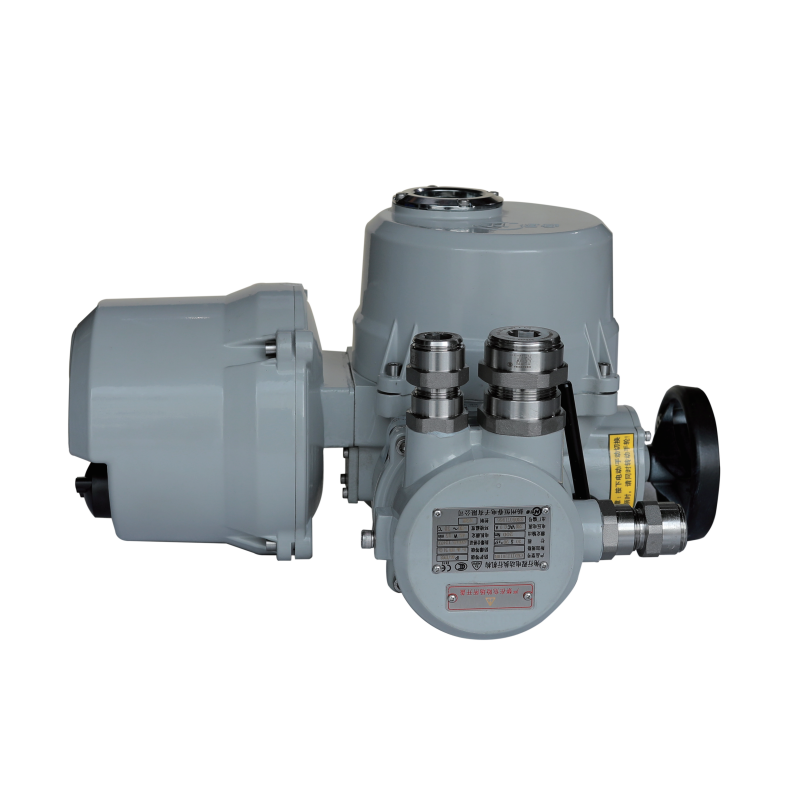
Electric valve actuators are becoming essential components in modern industrial operations. They not only enhance efficiency but also ensure precision and safety across various applications. Let’s dive deeper into the key benefits of electric valve actuators, highlighting why they are a preferred choice for many industries.
Precision is critical in industrial applications where even minor deviations can lead to significant issues. Electric valve actuators excel in providing high positioning accuracy, often within ±1%. This precision is crucial for several reasons:
● Chemical Dosing: Accurate flow rates are vital for maintaining product quality and consistency in chemical processes. A slight error can result in product defects or unsafe conditions.
● Process Control: In manufacturing, maintaining optimal conditions is essential for efficiency and safety. Electric actuators allow for fine-tuning of flow rates and pressures.
Hengchun’s electric actuators are designed specifically for high-precision tasks, ensuring that industries can rely on them for critical operations. Their robust design and advanced technology make them ideal for applications where accuracy is non-negotiable.
Energy costs can significantly impact the bottom line of any operation. Electric valve actuators provide substantial energy savings compared to pneumatic and hydraulic systems. Here’s how they achieve this:
● Direct Energy Conversion: Electric actuators convert electrical energy directly into mechanical motion, eliminating the energy losses associated with compressed air systems.
● Reduced Power Consumption: Many electric actuators are designed to be energy-efficient, often consuming less power during operation than traditional systems.
Over time, these energy savings lead to considerable cost reductions. Hengchun’s all-electric designs are optimized for energy use, making them a smart investment for businesses looking to improve their sustainability profile.
One of the standout features of electric valve actuators is their low maintenance needs. This is largely due to:
● Fewer Moving Parts: Electric actuators typically have fewer components compared to pneumatic or hydraulic systems, which means less wear and tear.
● Self-Diagnostic Features: Many electric actuators come equipped with built-in diagnostics that alert operators to potential issues before they become critical, minimizing downtime.
Hengchun’s commitment to quality ensures that their electric actuators have a long service life, requiring minimal upkeep and allowing companies to focus on their core operations rather than maintenance.
Safety is paramount in industrial environments, especially those dealing with hazardous materials. Electric valve actuators are designed with several safety features:
● Fail-Safe Options: These features ensure that valves revert to a safe position during power failures or system malfunctions, which is critical in preventing accidents.
● Explosion-Proof Designs: Many electric actuators are built to meet stringent safety standards such as ATEX and IECEx, making them suitable for use in flammable atmospheres.
Hengchun’s nuclear-grade actuators meet the highest safety requirements, providing peace of mind for industries where safety is a top priority.
Installing electric valve actuators is generally simpler than installing pneumatic systems. Key advantages include:
● Simplified Installation Process: Electric actuators typically require less complex piping and setup, reducing installation time and costs.
● Compatibility with Digital Control Systems: They can seamlessly integrate with advanced control systems like SCADA, DCS, and PLCs, enhancing overall system efficiency.
Hengchun’s designs are tailored for easy integration, allowing businesses to upgrade their systems without significant disruptions.
The ability to monitor and control operations remotely is a significant benefit of electric valve actuators. This capability offers:
● Real-Time Feedback: Operators can receive immediate updates on valve performance, enabling quick responses to any issues that arise.
● Reduced On-Site Maintenance Needs: Remote monitoring minimizes the need for frequent physical inspections, saving time and resources.
Hengchun’s smart electric actuators come equipped with integrated control systems, allowing for efficient management of operations from afar.
Electric valve actuators are highly adaptable, making them suitable for various applications and industries. They can be configured for:
● Oil and Gas: Regulating flow in pipelines and storage tanks, ensuring efficient and safe operations.
● Water Treatment: Controlling valves in filtration and distribution systems, contributing to effective water management.
● Pharmaceuticals: Ensuring precise dosing and maintaining sterile environments, critical for product safety.
Hengchun serves an extensive client base, including major players in the energy sector, showcasing the versatility and reliability of their electric actuators.
Benefit | Description |
Precision and Control | High accuracy (±1%) for critical applications |
Energy Efficiency | Lower energy costs and optimized usage |
Low Maintenance Requirements | Fewer parts and self-diagnostics for longevity |
Enhanced Safety Features | Fail-safe and explosion-proof designs |
Easy Installation | Seamless integration with existing systems |
Remote Monitoring | Real-time feedback and reduced maintenance needs |
Scalability and Versatility | Adaptable to various industries and applications |
Electric valve actuators provide a range of benefits that enhance operational efficiency, safety, and reliability. Their growing adoption across industries underscores their importance in modern automation.

When selecting a valve actuator, understanding the differences between electric, pneumatic, and hydraulic systems is crucial. Each type has its strengths and weaknesses, and knowing when to use each can significantly impact operational efficiency.
Electric and pneumatic actuators operate differently, leading to variations in efficiency and application suitability. Here’s a closer look at how they compare:
● Operation:
○ Electric Actuators: Convert electrical energy into mechanical motion, providing precise control.
○ Pneumatic Actuators: Use compressed air to create motion, which can lead to fluctuations in pressure and speed.
● Efficiency:
○ Electric actuators generally consume less energy during operation, as they do not require the continuous supply of compressed air.
○ Pneumatic systems can waste energy through leaks and require maintenance to keep air lines in good condition.
Feature | Electric Actuators | Pneumatic Actuators |
Pros | - High precision (±1%) | - Fast response times |
- Energy-efficient | - Simple design | |
- Low maintenance needs | - Suitable for high-speed applications | |
Cons | - Higher initial cost | - Less precise than electric actuators |
- Dependent on electrical supply | - Requires air compressors and piping |
Electric actuators are preferable in applications requiring precision and energy efficiency, such as chemical dosing or process control. Hengchun’s electric valve actuators stand out for their energy efficiency, reducing operational costs compared to pneumatic systems.
Hydraulic actuators are another common alternative, but they differ significantly from electric actuators, especially in energy use and maintenance.
● Energy Efficiency:
○ Electric actuators are typically more energy-efficient than hydraulic systems. They convert electricity directly into motion, minimizing energy losses.
○ Hydraulic systems rely on fluid pressure, which can lead to energy waste and require significant power for operation.
● Maintenance Needs:
○ Electric actuators have fewer moving parts, leading to lower maintenance requirements. Their self-diagnostic features allow for easy monitoring.
○ Hydraulic actuators often need regular maintenance to check for leaks, fluid levels, and potential contamination.
Hydraulic actuators are advantageous in situations requiring high force and heavy lifting, such as:
● Construction Equipment: Used in cranes and excavators for lifting heavy loads.
● Industrial Presses: Ideal for applications requiring significant force to shape materials.
However, for many applications, electric actuators may offer a better long-term investment. They provide:
● Lower Operating Costs: Reduced energy consumption translates to savings over time.
● Improved Precision: Electric actuators deliver consistent performance with high accuracy.
Hengchun focuses on electric actuators designed for high-end fluid control, ensuring they meet the rigorous demands of industries like oil and gas, water treatment, and pharmaceuticals.
Comparison Factor | Electric Actuators | Hydraulic Actuators |
Energy Efficiency | More energy-efficient | Less efficient due to fluid pressure loss |
Maintenance | Low maintenance, self-diagnostic features | Regular checks for leaks and fluid levels |
Force Capability | Suitable for medium force applications | High force for heavy lifting |
Precision | High accuracy (±1%) | Less precise than electric actuators |
In summary, while pneumatic and hydraulic actuators have their uses, electric valve actuators often provide superior efficiency, precision, and lower maintenance costs. Choosing the right actuator depends on the specific needs of your application, and Hengchun's electric actuators are an excellent choice for those seeking reliability and performance.
Electric valve actuators offer precision, energy efficiency, and low maintenance. They enhance safety and simplify installation in various applications.
These actuators are crucial for modern industrial automation. Their benefits make them a smart choice for many industries.
Consider electric valve actuators for your specific needs. Explore Hengchun's product offerings for tailored solutions that fit your requirements.
A: Consider the application requirements, valve type, required precision, and environmental conditions.
A: They convert electrical energy directly into motion, reducing energy losses compared to pneumatic systems.
A: While versatile, they are ideal for applications requiring precision and efficiency, such as chemical dosing.
A: Regularly check for wear, perform self-diagnostics, and ensure electrical connections are secure.
A: Hengchun focuses on rigorous testing, high-quality materials, and innovative designs for durability and performance.


