
Author: Site Editor Publish Time: 2026-03-27 Origin: Site


Are you looking for a reliable solution to enhance your process control? Electric valve actuators are revolutionizing industries by providing precision and efficiency.
In this article, we’ll explore why electric valve actuators are the best choice for process control. You’ll learn about their advantages, types, and how they outperform traditional actuators.
Get ready to discover how these innovative devices can optimize your operations and save costs.
Electric valve actuators are essential devices used to control the opening and closing of valves in various industrial processes. They convert electrical energy into mechanical motion, allowing for precise control over fluid flow. This functionality is critical in industries such as oil and gas, water treatment, and chemical processing.
At their core, electric valve actuators operate by receiving an electrical signal, which prompts them to move the valve to a specific position. This movement can be either linear or rotary, depending on the valve type. Here’s a brief overview of how they function:
● Electrical Signal: The actuator receives a signal from a control system, often a PLC.
● Mechanical Motion: It translates this signal into movement, either opening or closing the valve.
● Feedback Mechanism: Many actuators provide real-time feedback on their position, ensuring accurate control.
When considering valve actuation, it’s helpful to compare electric actuators with other types, such as manual, pneumatic, and hydraulic actuators. Each type has its pros and cons, which can impact your choice based on application needs.
Actuator Type | Advantages | Disadvantages |
Electric | - High precision - Low maintenance - Energy-efficient | - Higher initial cost - Requires electrical supply |
Manual | - Simple and low-cost - No power needed | - Labor-intensive - Less precise control |
Pneumatic | - Fast operation - Good for remote locations | - Requires compressed air - Higher maintenance |
Hydraulic | - High force capabilities - Compact design | - Prone to leaks - Requires constant power |
Understanding the components of an electric valve actuator can help in appreciating their functionality and reliability. Here are the main parts:
● Electric Motor: The heart of the actuator, it converts electrical energy into mechanical motion. Motors can be AC or DC, depending on the application.
● Gearbox: This component reduces motor speed while increasing torque. Different gear types, such as spur or planetary gears, can be used based on the application requirements.
● Control Module: This allows for integration with control systems, enabling communication and feedback. It often supports various industrial protocols like Modbus or Profibus.
● Position Sensors: These provide real-time feedback on valve position, ensuring accurate control and monitoring.
Electric valve actuators are becoming increasingly popular due to their numerous advantages. They offer high precision, low maintenance, and energy efficiency, making them ideal for modern industrial applications. For instance, Hengchun Actuator, a leading manufacturer, emphasizes the importance of these features in their product line, ensuring reliability and performance.
In summary, electric valve actuators represent a modern solution for process control. Their ability to provide precise control over fluid dynamics makes them indispensable in various industries, ensuring efficiency and reliability in operations.
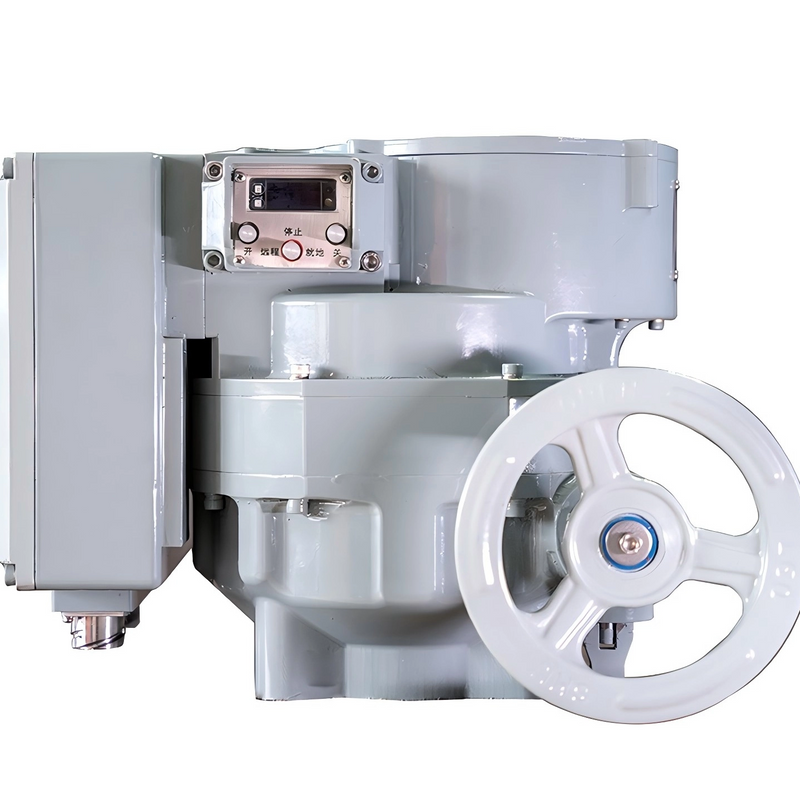
Electric valve actuators have become the go-to choice for many industries, and for good reason. They offer a range of benefits that enhance operational efficiency and reliability. Let’s explore the advantages of these devices, along with their applications across various sectors.
High Precision and Repeatability
● One of the standout features of electric valve actuators is their ability to provide precise control over valve positions. This precision is crucial in processes where even slight variations can lead to significant issues. For example, in chemical processing, maintaining the correct flow rate can prevent dangerous reactions. Electric valve actuators ensure:Consistent performance across operations.
● Accurate flow control, which minimizes waste and maximizes efficiency.
Energy Efficiency and Lower Total Cost of Ownership (TCO)
● Electric valve actuators consume less energy compared to pneumatic or hydraulic alternatives. This efficiency translates into lower operational costs. Here’s how:Reduced energy consumption leads to cost savings on electricity bills.
● Lower maintenance costs due to fewer moving parts and less wear and tear.
Reliability in Harsh Environments
● Many industries operate in challenging conditions, such as extreme temperatures or corrosive environments. Electric valve actuators are designed to withstand these conditions. They offer:Robust construction that can handle extreme temperatures.
● Resistance to dust and moisture, ensuring long-term reliability.
Low Maintenance Requirements
● Maintenance can be a significant cost factor in process control. Electric valve actuators require minimal upkeep compared to other actuator types. Their design includes:Fewer mechanical parts, which reduces the likelihood of breakdowns.
● Built-in diagnostics that alert operators to potential issues before they escalate.
Electric valve actuators find applications across a variety of industries, showcasing their versatility and effectiveness. Here’s a look at some key sectors:
● Oil and Gas: Used for controlling flow in pipelines and refineries, ensuring safety and efficiency.
● Water Treatment: Essential for regulating water flow and chemical dosing in treatment plants.
● HVAC: Helps in managing airflow and temperature control in commercial buildings.
Industry | Application Example | Benefits |
Oil and Gas | Flow control in refineries | Enhanced safety and efficiency |
Water Treatment | Chemical dosing in treatment processes | Improved accuracy and reduced waste |
HVAC | Airflow regulation in large buildings | Energy savings and improved comfort |
Hengchun Actuator stands out as a leading manufacturer in these sectors, providing high-quality electric valve actuators that meet industry standards. Their products are designed to deliver reliability and performance, making them a preferred choice for many operations.
Electric valve actuators offer a blend of precision, efficiency, and reliability that is hard to match. Their ability to perform in tough environments while requiring minimal maintenance makes them an excellent investment for any process control application. Whether in oil and gas, water treatment, or HVAC, these actuators play a vital role in enhancing operational efficiency.
Electric valve actuators come in various types, each designed for specific applications and valve types. Understanding these types helps in selecting the right actuator for your needs. Let’s explore the main categories of electric valve actuators.
Multi-turn electric valve actuators are primarily used for gate valves and globe valves. They excel in applications where precise control over the valve position is required.
● Functionality: These actuators rotate multiple times to move the valve stem, making them ideal for throttling applications.
● Torque Limit Protection: They often include torque limit protection features, preventing damage to the valve and actuator during operation. This is crucial in preventing over-torquing, which can lead to equipment failure.
Part-turn electric actuators are perfect for applications involving ball valves and butterfly valves. They provide a reliable solution for on/off control and flow regulation.
● Operation: These actuators typically rotate between 0 to 90 degrees, allowing for quick response times.
● Use Cases: Commonly found in HVAC systems, water treatment plants, and chemical processing, they ensure efficient flow control. Their simplicity makes them easy to integrate into existing systems.
Actuator Type | Suitable Valves | Key Features |
Multi-Turn | Gate, Globe | Multiple rotations, torque protection |
Part-Turn | Ball, Butterfly | Quick operation, efficient flow control |
Nuclear-grade electric valve actuators are designed to meet stringent safety standards, particularly Class 1E, which is essential for nuclear energy systems. These actuators play a critical role in maintaining safety and operational integrity.
● Compliance: They are built to withstand extreme conditions and ensure reliable performance in nuclear facilities.
● Hengchun's Role: Hengchun Actuator is a recognized leader in this field, offering products that comply with nuclear safety regulations. Their expertise ensures that clients receive dependable and safe solutions for their nuclear applications.
Fail-safe electric actuators are vital in situations where power failures can occur. They are designed to return valves to a safe position automatically, ensuring safety in critical operations.
● Mechanism: These actuators utilize springs or other mechanical systems to close or open the valve when power is lost. This feature is essential in preventing hazardous situations in industries such as oil and gas.
● Applications: Commonly used in safety-critical systems, they provide peace of mind by ensuring that processes can safely shut down during emergencies.
Electric valve actuators come in various types, each tailored to meet specific operational needs. By understanding the differences among multi-turn, part-turn, nuclear-grade, and fail-safe actuators, you can make informed decisions for your process control systems. Whether you need precise control, safety compliance, or reliable performance, there's an electric valve actuator designed for your application.

Electric valve actuators are sophisticated devices that play a crucial role in process control. Understanding how they operate can help you appreciate their importance in various applications. Let’s break down the operating principles and how they integrate with control systems.
Electric valve actuators function by converting electrical signals into mechanical motion. This transformation is vital for controlling valve positions accurately.
● Conversion of Electrical Signals: When an electric valve actuator receives a signal from a control system, it translates this signal into movement. This process typically involves:
○ Electromagnetic Actuator Technology: Most electric valve actuators use electromagnetic technology to create motion. This involves an electric motor that drives a gearbox, which in turn moves the valve stem.
○ Movement Types: Depending on the valve type, the actuator may provide linear or rotary motion. For example, multi-turn actuators rotate several times, while part-turn actuators typically move between 0 to 90 degrees.
Here’s a simplified illustration of the process:
1. Signal Input: Control system sends an electrical signal.
2. Motor Activation: The electric motor is activated.
3. Mechanical Movement: The gearbox converts the motor's rotation into valve movement.
4. Valve Positioning: The valve opens or closes based on the input signal.
Integration with control systems is a key feature of electric valve actuators. They work seamlessly with PLCs (Programmable Logic Controllers) and DCS (Distributed Control Systems) to ensure efficient operation.
● Integration with PLCs and DCS Systems: Electric valve actuators can be easily connected to PLCs and DCS systems, allowing for centralized control of multiple actuators across a facility. This integration provides:
○ Real-time monitoring and control.
○ Enhanced process automation.
● Types of Input Signals: Electric valve actuators accept various input signals, which can include:
○ Digital TTL (Transistor-Transistor Logic): A common signal type used for simple on/off control.
○ 4-20mA Analog Signals: Widely used in industrial applications, this signal provides continuous feedback on valve position. The 4-20mA range allows for precise control and monitoring.
Signal Type | Description | Application |
Digital TTL | Simple on/off control | Basic valve operations |
4-20mA | Analog signal for continuous control | Precise flow regulation |
Electric valve actuators are designed to work efficiently in various environments, ensuring reliable performance. Their ability to convert electrical signals into mechanical motion, combined with seamless integration into existing control systems, makes them essential for effective process control. By understanding these principles, you can better appreciate how electric valve actuators contribute to operational efficiency in many industries.
Electric valve actuators offer numerous advantages for process control. They provide high precision, energy efficiency, and low maintenance requirements. Their reliability in harsh environments makes them ideal for various industries.
Consider electric valve actuators for your applications to enhance efficiency and safety. For more information or consultation on electric valve actuator solutions, feel free to contact us.
A: Electric valve actuators can last 10 to 15 years, depending on usage and environmental conditions.
A: Electric actuators offer precise control and lower maintenance, while pneumatic actuators provide faster operation but require compressed air.
A: Yes, electric valve actuators can be designed for hazardous environments, ensuring safety and reliability.
A: Maintenance is minimal, typically involving periodic inspections and lubrication of moving parts.
A: Sizing involves considering valve type, torque requirements, and operating conditions to ensure optimal performance.


